
Modern Health Education and Daily Wellness Trends
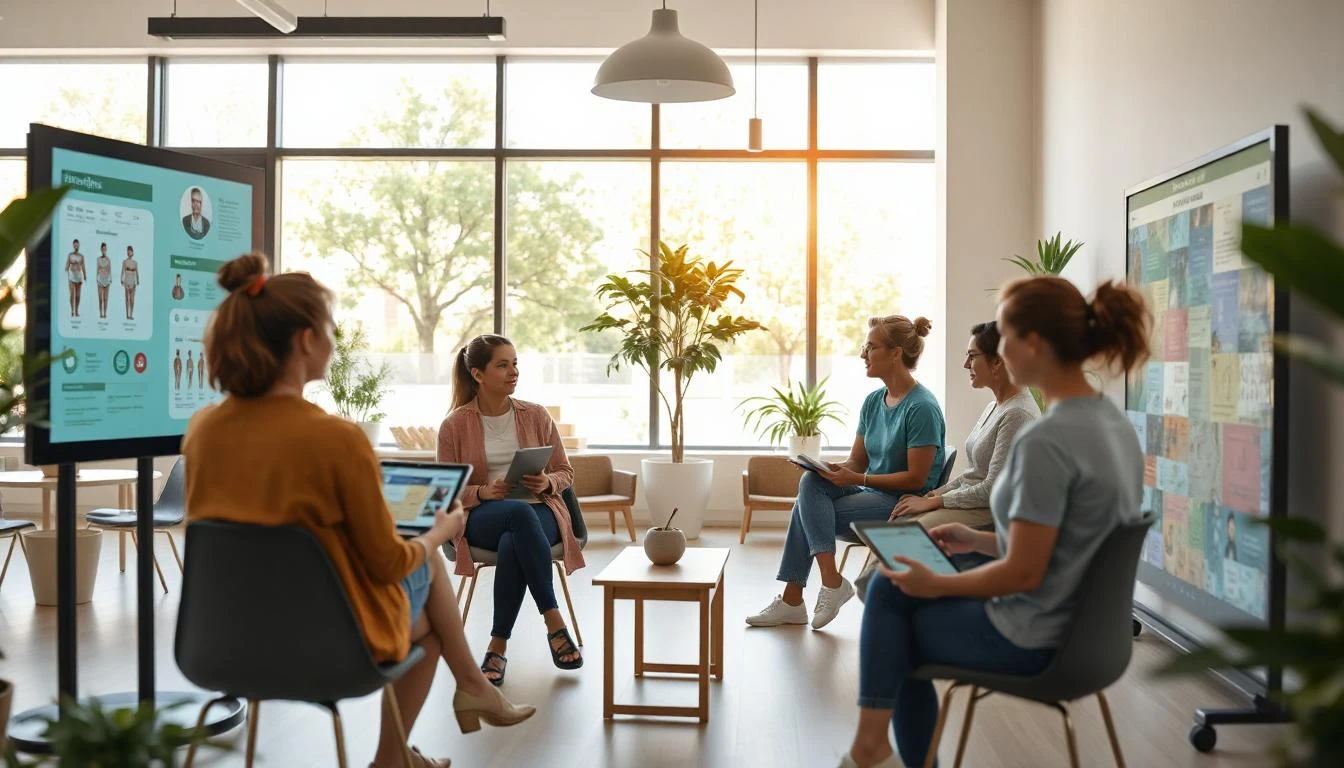
The way people learn about health is changing at a remarkable pace. From artificial intelligence to personalized wellness technologies, modern healthcare education is no longer limited to classrooms, hospitals, or medical textbooks. Today, individuals of all ages can access trusted health information within seconds, empowering them to make smarter lifestyle decisions and take greater control of their well-being. As new innovations continue to emerge, understanding the latest health education trends has become essential for anyone seeking a healthier and more informed future.
This rapidly evolving landscape of health knowledge is transforming how people engage with wellness information every day. The growing ecosystem of digital healthcare learning, preventive medicine awareness, and technology-powered self-care solutions is creating unprecedented opportunities for better health outcomes. By exploring the latest health education trends, readers can discover practical strategies, evidence-based guidance, and innovative tools that support long-term wellness while adapting to the demands of modern life.
What if the next breakthrough in personal wellness is not a new medicine, but a powerful combination of artificial intelligence, real-time health data, and personalized education that predicts health risks before symptoms even appear?
Healthcare professionals, researchers, and technology companies are increasingly collaborating to build accessible learning environments that help individuals make informed decisions. At the same time, consumers are becoming more proactive about understanding nutrition, exercise, mental health, disease prevention, and overall lifestyle management. This shift reflects a broader movement toward preventive healthcare rather than reactive treatment, creating a more sustainable model for long-term well-being.
“The future of healthcare lies in empowering people with knowledge, prevention, and personalized care.” . World Health Organization (WHO)
Digital Transformation in Modern Health Education
The digital revolution has fundamentally reshaped healthcare education. Innovative technologies are making medical knowledge more accessible, interactive, and effective than ever before.
E-learning Platforms in Healthcare
Online learning platforms have become an essential component of modern health education. Healthcare professionals and everyday learners can now access courses, webinars, certifications, and educational resources from virtually anywhere.
Many platforms offer specialized training in public health, disease prevention, nutrition science, and patient care. These resources support continuous learning while making quality education available to broader audiences. As a result, healthcare knowledge is becoming more democratized and accessible across geographic boundaries.
Relevant LSI keywords naturally associated with this trend include digital healthcare learning, online medical education, health literacy, and patient education programs.
AI Driven Medical Education Tools
Artificial intelligence is revolutionizing how medical information is delivered and understood. AI-powered educational systems can personalize learning experiences based on an individual's knowledge level, learning style, and goals.
Medical students and healthcare professionals benefit from adaptive learning modules that identify knowledge gaps and recommend targeted content. Meanwhile, consumers can use AI-based health assistants to better understand symptoms, wellness strategies, and preventive care recommendations.
One emerging long-tail keyword trend is how AI improves healthcare education and patient learning experiences, reflecting growing public interest in this rapidly evolving field.
Virtual Simulation Training
Virtual simulations provide realistic healthcare training experiences without the risks associated with real-world clinical environments. Through immersive technologies such as virtual reality and augmented reality, learners can practice procedures, diagnose conditions, and improve decision-making skills.
These simulations enhance confidence, reduce training costs, and improve knowledge retention. Healthcare institutions increasingly utilize simulation-based learning to prepare future professionals for complex clinical situations while maintaining patient safety.
Daily Wellness Trends in 2026
As health awareness continues to grow, wellness habits are becoming more personalized, data-driven, and integrated into everyday routines.
Wearable Health Tracking Devices
Wearable technology has evolved far beyond simple step counters. Modern devices monitor heart rate variability, sleep quality, stress levels, blood oxygen saturation, and physical activity patterns in real time.
These insights empower users to make informed adjustments to their daily routines. The popularity of wearable technology highlights the growing importance of daily wellness habits tips that are supported by measurable data rather than assumptions.
Consumers increasingly search for long-tail phrases such as best wearable devices for tracking overall wellness and preventive health, demonstrating strong interest in personalized health monitoring.
Personalized Nutrition and Wellness Apps
Nutrition is no longer a one-size-fits-all approach. Advanced wellness applications now analyze dietary habits, activity levels, health goals, and biometric data to provide customized recommendations.
Many apps utilize machine learning algorithms to create tailored meal plans, hydration reminders, fitness schedules, and recovery strategies. This personalized approach helps individuals achieve sustainable improvements rather than temporary results.
Key LSI keywords associated with this topic include personalized healthcare, nutrition tracking, wellness technology, and healthy lifestyle optimization.
Imagine receiving a personalized wellness recommendation each morning based on your sleep quality, stress levels, nutrient intake, and activity patterns from the previous day. before you even start breakfast.
Mental Wellness Micro Habits for Daily Balance
Mental wellness remains a critical component of overall health. Rather than relying solely on major lifestyle changes, many experts now advocate for small, consistent behaviors known as micro habits.
Examples include practicing two minutes of mindfulness, taking short movement breaks, maintaining gratitude journals, and limiting digital distractions. These manageable actions accumulate over time, supporting emotional resilience and mental clarity.
The growing popularity of mental wellness strategies for busy lifestyles in 2026 reflects increasing recognition that sustainable health includes both physical and psychological well-being.
Integrating Health Knowledge into Everyday Life
Acquiring health knowledge is valuable, but applying that knowledge consistently is what produces meaningful results.
Preventive Care Awareness and Education
Preventive healthcare emphasizes early intervention, risk reduction, and proactive wellness management. Educational initiatives increasingly focus on helping individuals understand screenings, vaccinations, nutrition, exercise, and chronic disease prevention.
Improved awareness contributes to better health outcomes while reducing long-term healthcare costs. This trend aligns closely with search intent surrounding practical and actionable health information.
Habit Stacking for Sustainable Wellness Routines
Habit stacking involves linking a new healthy behavior to an existing routine. For example, stretching after brushing teeth or drinking water immediately after waking up creates natural behavioral cues.
This strategy reduces reliance on motivation alone and increases consistency. Individuals seeking realistic wellness improvements often find habit stacking more sustainable than dramatic lifestyle overhauls.
Keywords naturally associated with this practice include healthy habit formation, behavioral wellness strategies, and sustainable health routines.
Community Based Health Learning and Support
Health improvement often becomes easier when supported by communities. Online groups, wellness forums, local organizations, and healthcare networks provide encouragement, accountability, and shared experiences.
Community-driven learning fosters trust while helping individuals stay informed about emerging health developments. It also creates opportunities to exchange practical insights and maintain motivation throughout wellness journeys.
Upgrade Your Health Knowledge for a Better Future
The future of health education is increasingly interconnected with technology, personalization, and proactive wellness management. From AI-powered learning tools and virtual simulations to wearable devices and personalized nutrition platforms, modern innovations are reshaping how people understand and improve their health.
For readers seeking practical benefits, the most effective approach is combining evidence-based information with consistent daily action. Small improvements made today can generate significant long-term results when reinforced by reliable knowledge and sustainable habits.
If you want to stay ahead of emerging healthcare innovations, start by exploring trusted educational resources, evaluating your current wellness habits, and adopting tools that provide meaningful insights into your health journey. The individuals who invest in learning today are often the ones who enjoy stronger resilience, greater well-being, and better health outcomes tomorrow.